 Mike Puddicombe
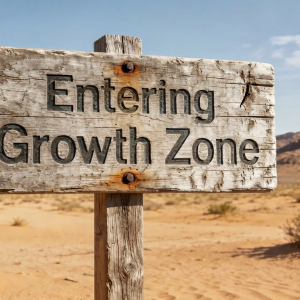
 At some point in every revitalization journey, you will step into what can best be described as the Growth Zone.
This is a liminal space.
The word liminal comes from the Latin limen, meaning “threshold.” It describes the in-between place where you have moved on from what was, but have not yet fully stepped into what will be. You are no longer standing in the past, but the future has not fully taken shape.
In church revitalization, the Growth Zone comes after the initial momentum. Early steps have been taken. Long-standing issues have been addressed. Vision has been introduced. People feel the shift.
But the fruit is not fully visible yet.
This is where the work deepens.
Recognizing the Growth Zone
The Growth Zone can feel disorienting, but that does not mean something is wrong. It often means something meaningful is happening.
In this season, you may notice:
- Not everything you try works right away
- Some ideas need to be reshaped or released
- People move at different speeds when it comes to change
- Early enthusiasm begins to settle into questions or hesitation
- Some individuals may choose to leave, and that can feel personal
- Influential voices may advocate for familiar patterns
- Momentum feels slower than expected
- Alignment among leaders requires more intentional effort
These are not signs of failure. They are signs that your church is moving through real change.
Liminal space always carries tension because it requires letting go before fully receiving what is next. You are not just changing what your church does. You are reshaping who your church is.
There is also a spiritual dimension to this season. Renewal invites resistance. When a church begins to move toward health and mission, opposition often follows. That does not mean you are off course. It often confirms that the work matters.
Leading Well in the Growth Zone
Leading in a liminal space requires a steady, thoughtful approach. You are not simply executing a plan. You are guiding people through transition.
Here are key practices to help you lead effectively in this season:
Give language to the experience
People often feel the tension of this season but cannot articulate it. When you name what is happening, you reduce confusion and build trust. Help your church understand that being in between is normal and necessary.
Focus on formation, not just function
This season is about more than new strategies. It is about spiritual growth and cultural change. Discipleship must remain central. Help people see what God is doing in them, not just around them.
Lead with patience and clarity
Not everyone embraces change at the same pace. Some move quickly, others need time and evidence. This is not resistance alone. It is part of how people process change. Stay consistent in your communication and clear in your direction.
Treat resistance as insight
Pushback often reveals what is happening beneath the surface. It may point to fear, misunderstanding, or deeper spiritual needs. Listen carefully, respond thoughtfully, and use these moments to build alignment.
Keep the mission visible
When progress feels slow, people can lose sight of purpose. Repeatedly connect every change to the mission. Share stories of life change and celebrate small but meaningful wins.
Leading with Intentional Next Steps
To move faithfully through the Growth Zone, focus on a few concrete actions:
- Clarify and repeat the vision
People need consistent reminders. Say the same things often, in fresh ways, and connect every decision to your mission. - Invest in your core leaders and early adopters
These individuals help carry culture. Equip them, encourage them, and give them responsibility. - Create visible evidence of progress
Highlight stories of transformation, even small ones. Visibility builds trust and momentum. - Normalize the discomfort
Speak openly about the tension of this season. When people understand it, they are less likely to be unsettled by it. - Strengthen discipleship pathways
Resistance often reveals where formation is needed. Lean into teaching, mentoring, and leadership development. - Engage hesitant voices relationally
Listen well. Affirm where you can. Guide conversations toward mission rather than personal preference. - Pace the change wisely
Too much change can overwhelm. Too little can stall progress. Discern what your church can carry at this stage. - Anchor everything in prayer
This is spiritual work. Lead your people in dependence on God, not just in strategic effort. - Build alignment at the leadership level
Unity among key leaders creates stability for the whole church. - Care for your own soul
Leading in a liminal space requires endurance. Stay grounded in Scripture, prayer, and trusted relationships.
Moving Forward
The Growth Zone is not a season to rush through. It is a space to lead faithfully.
It is where people move from initial excitement to deep conviction.
It is where culture begins to shift.
It is where trust in God grows stronger.
Stay steady. Keep teaching. Keep discipling. Keep pointing your church toward the mission.
The discomfort of this threshold is temporary, but the fruit it produces is lasting.
You are not alone in the in-between. God does some of His deepest work in spaces like this.
Trust Him. Love your people. Keep moving forward.
Because what your church is becoming is already taking shape, even now, in the Growth Zone.