
 Mike Puddicombe
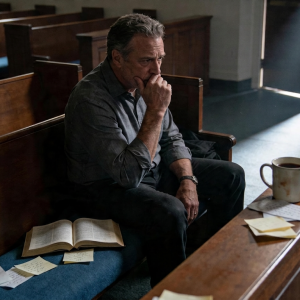
 Every pastor eventually faces a difficult moment: the realization that they can no longer inspire their congregation to move from the comfort of their seats to actively serving others in the streets. For many, this is the tipping point. They dust off their resumes and begin searching for a new assignment, convinced their calling to that particular church has ended.
But is it really over? Research indicates that significant spiritual and numerical growth in a church often occurs between years five and seven of a pastor’s tenure. Yet the average pastor stays only about half that long. What could happen in God’s kingdom if both the congregation and the pastor committed to working together for His glory in their local church?
Church revitalization demands a different mindset—one rooted in long-term strategic progress. A church in need of renewal requires a leader who stays committed, even in the hardest seasons of ministry, rather than fleeing when things get tough.
I understand the temptation. No one dreams of serving in difficult places. As a revitalizer myself, I’d love every assignment to feel like a Christian utopia: no complaints, overflowing offering plates, and families with children filling the pews every week. The reality, however, is often quite different. The hard, undersized, struggling church is frequently the exact place where revitalization ministry is most needed—and most fruitful.
Lessons from Moses: Called and Equipped for the Hard Places
In my devotions, I came across a passage in Exodus 35:4-9 that deeply challenged and encouraged me. It reminded me that God not only calls us but also equips us for the specific place where we serve. Moses faced incredibly challenging people while leading God’s work, and I suspect many pastors and revitalizers today encounter similar obstacles.
The temptation is real: “If only I had the right people in the right town, everything would be better.” But when a church pushes back against leadership instead of moving forward in unity, the revitalizer must learn to pare down personal ambitions and lean into God’s plan.
Moses discovered he could not build the tabernacle alone. God called him to lead the project, but the materials, resources, and willing hands had to come from the very people he was serving. In the same way, a church revitalizer is called to serve with the people, not against them. The leader’s role is to cast vision, offer encouragement, and help uncover and deploy the gifts already present in the congregation.
The Four “Everyone” Principles for Revitalization
The church is for everyone, and effective revitalization involves encouraging four key “everyone” principles drawn from the example of Moses and the Israelites.
1. Everyone Has a Heart to Serve
Through prayer, Moses saw that each person had a unique part to play (see Exodus 35:20-21). A revitalizer seeking to change the culture of a church must tap into the spiritual power that comes only from connecting people deeply with prayer.
Prayer cannot be an afterthought in revitalization efforts. Dedicated times of prayer—both personal and corporate—are essential to break yokes of bondage, heal old wounds, and free hearts to serve God with renewed passion and sanctification.
“A revitalizer who is going to help change the culture must tap into the spiritual power only found in plugging the people into prayer.”
2. Everyone Has an Ability to Help
Moses realized he couldn’t construct the tabernacle through his own effort alone. Revitalizers must recognize the same truth: hard work and personal dedication are not enough. Transformation requires a team.
Like Moses, leaders in revitalization are called to encourage, share, and help expose the talents God has placed in His people. Even those who feel physically limited can contribute powerfully through prayer and financial generosity. It takes the whole body working together to turn a dying congregation into a living, thriving witness.
3. Everyone Gives God Glory Through What They Have
Revitalizers must regularly pause, look at their church with fresh eyes, and ask God to reveal the gifts He has already deposited in the people. No leader can do this work alone, but with God, all things are possible.
In Exodus 35:4-19, Moses called the entire community to bring what God had commanded—not through demands or manipulation, but by leading them to respond to God’s direct call on their lives.
4. Everyone Is Called to Give Freely
Everything in revitalization must be done for God’s glory, not the leader’s. Moses never took credit for the people’s response. God used their faithfulness to meet every need—so much so that the offerings eventually had to be restrained because they had more than enough (Exodus 36:6-7).
When the people of a church fully surrender to God’s call on their individual lives, the needs of the church can be met by the church itself.
A Divine Opportunity, Not a Mistake
Every church is unique and must be approached as such. A revitalizer cannot simply repeat methods that worked elsewhere. Instead, they must seek what God specifically wants to do in this location, with these people.
The current setting is not an accident. It is a divine opportunity to freely give ourselves to the Savior and watch Him bring new life.
Serving in a small, struggling church is never easy. Leading revitalization in a congregation that clings tightly to the past is even harder. Yet Scripture provides a clear, time-tested plan—no need for reinvention. As Moses remained faithful to God’s call, today’s revitalizers must hold fast to their calling, their location, and the people God has entrusted to them.
With God’s help, and through the faithful participation of His people, revitalization will come.
What about you? If you’re a pastor, revitalizer, or church member feeling the weight of a hard season, take heart. God equips those He calls, and He often does His greatest work in the most unlikely places—when His people choose to stay and serve together for His glory.