

Why Your Church Needs to Be More Like Canadian Tire and Less Like Eaton’s

I grew up flipping through the Eaton’s Christmas catalogue like it was the Sears Wish Book on steroids. Downtown Eaton’s stores felt like palaces. Then, in 1999, it all vanished. Bankruptcy. Lights out. Gone forever.

A few blocks away, The Bay kept limping along. They tried a luxury makeover with Saks, launched a website nobody used, and kept paying rent on massive downtown buildings nobody visited. Today they’re still open — sort of. But if you’re under 35, you probably walk past The Bay and think, “Oh yeah, my grandma buys towels there.”

Then there’s Canadian Tire. Same company that’s been around since 1922. Same red triangle. Same “Canadian” in the name. Yet somehow they’re bigger, more profitable, and more relevant in 2025 than they were in 1995. They added autocentres when people wanted more than wrenches. They built giant new stores. They nailed online ordering and curbside pickup before most churches figured out Zoom. They launched one of the best loyalty programs in the country. Same mission. Completely updated methods.

Three iconic Canadian brands. Three different responses to a changing world. Three very different outcomes.

And every local church is writing the exact same story right now.

The message of Jesus never changes — full stop. But the methods we use to deliver that message must change, or we will slowly (or suddenly) become irrelevant to the very people Jesus died to reach.

Revitalization isn’t about chasing trends. It’s not about becoming “cool” or copying the megachurch down the road. It’s about ruthless obedience: refusing to let our love for the past keep the next generation from a future with Jesus.

  • Eaton’s churches say, “We’ve never done it that way before,” and one day the doors close for good.
  • Bay churches make a few cosmetic changes, survive on the generosity of the 55+ crowd, and slowly fade into a museum.
  • Canadian Tire churches ask, “What has to change so that more people can meet Jesus?” — and then they actually do it.

Here’s the scary truth: most of our kids aren’t rejecting Jesus. They’re rejecting the version of church we keep serving them on 1995 (or 1965) china.

So let’s stop being shocked that young families aren’t showing up for 1995. Let’s start asking what we’re willing to lose so they can gain Christ.

Because Jesus didn’t call us to preserve our preferences. He called us to make disciples of the people who don’t look like us, sing like us, or even vote like us.

Canadian Tire didn’t become stronger by clinging to the past. They became stronger by staying married to the mission while changing everything else.

Imagine if we loved the mission of Jesus that much.

Imagine if we decided that reaching the next generation was worth killing every sacred cow we’ve been feeding for over thirty years.

That’s what revitalization actually is. And the good news? We still have time to choose which story will be ours.

Let’s not leave a legacy of “Remember when this place used to be full?” Let’s leave a legacy of “Look what Jesus is still doing here.”

Who’s ready to pick up the wrench and get to work?
Letting Go of Ministries That No Longer Serve: Pruning for a Thriving Church

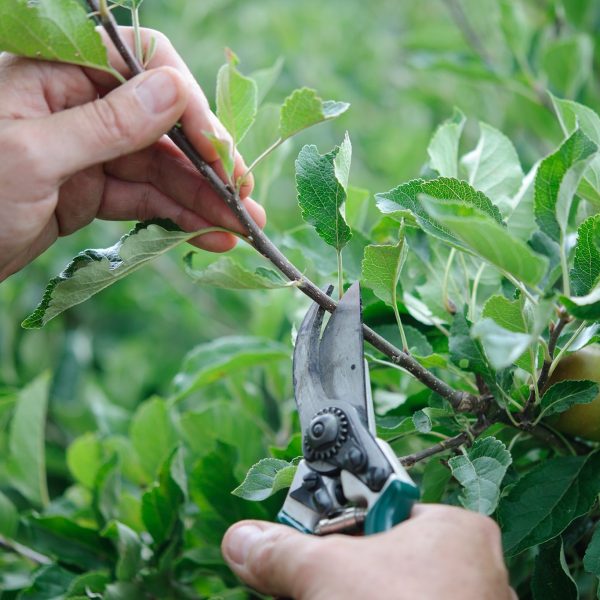
I recently moved and my new home has fruit trees. I know nothing about fruit trees, so I went to YouTube to learn about caring for apple, pear, and cherry trees. All the experts emphasize the importance of regular pruning to maintain a healthy, growing tree. They also acknowledged how scary pruning can be for the novice gardener since they do not want to cut off too much and damage the tree – but the pruning needs to be done. The same principle is true in revitalization as well: pruning=health & growth.

In my time as a revitalizer, this is without a doubt one of the hardest things I’ve had to do because every church has its sacred cows—those once-thriving ministries that now limp along on life support. The annual chili cook-off that used to pack the fellowship hall. The midweek program with three faithful attendees and a budget line that could fund a mission trip. The tradition everyone loves… but no one can remember why.

Here’s the hard truth: Holding on to ineffective ministries isn’t loyalty. It’s sabotage.

Letting go isn’t betrayal. It’s pruning—the painful but necessary cut that redirects life to new growth (John 15:2). If your church is in revitalization, this is non-negotiable. Here’s how to do it with grace, wisdom, and unshakable vision.


Step 1: Face the Facts (Recognize the Signs of Decline)

Sentimentality clouds judgment. Ask the tough questions:

  • Attendance: Are the same 5 people showing up… and one is the leader’s spouse?
  • Impact: When’s the last time this ministry led someone to Christ, discipled a believer, or served the community?
  • Resources: Is it consuming 20% of the budget for 2% of the fruit?

Red Flag: If you’re propping it up “for Mrs. Edna,” it’s already dead.

Be ruthless with data, gentle with people. Declining ministries aren’t failures—they’re former successes that have completed their mission.


Step 2: Honour the Past (But Don’t Live There)

Every ministry had a season. Celebrate it.

  • Host a “Ministry Memorial Service” — share stories, show old photos, thank volunteers.
  • Create a “Wall of Impact” — plaques or a digital slideshow in the lobby.
  • Publicly thank the founders: “Because of your faithfulness in 1998, 47 kids came to Christ. That season is complete—now God’s doing a new thing.”

Principle: People don’t resist change. They resist loss. Honor the past so they can release it.


Step 3: Involve the Congregation (Transparency Builds Buy-In)

Don’t decide in a leadership bubble. Crowdsource wisdom:

  • Town Hall Q&A: “Does the Tuesday quilting ministry still align with our mission to reach young families?”
  • Anonymous Surveys: “What ministries feel life-giving? Draining?”
  • Focus Groups: Invite critics and champions to the table.

You’ll be shocked—often the loudest defenders are secretly relieved when it ends.


Step 4: Measure Against Vision (Not Nostalgia)

Post your church’s 3-year vision on the wall. Now hold the ministry up to it:

Ministry Supports Vision? Resource Drain Verdict
Wednesday Night Visitation ❌ (0 salvations in 2 yrs) High (gas, time) Cut
Community Food Pantry ✅ (serves 200/month) Moderate Keep & Expand

If it doesn’t propel you toward disciple-making, community impact, or next-gen reach, it’s baggage.


Step 5: Execute a Graceful Exit (No Ghosting)

Abrupt endings breed resentment. Plan the funeral:

  1. Announce 90 days out: “After prayerful evaluation, we’re sunsetting X on [date].”
  2. Host a final celebration: Potluck, testimonials, prayer.
  3. Redirect people: “Jane, your gift for hospitality would crush it in our new neighborhood outreach.”
  4. Repurpose resources: Announce the new initiative the budget will fund.

Pro Move: Tie the ending to a launch. “The $3,000 from the craft fair now seeds our foster care ministry.”


Step 6: Redirect with Purpose (Death Funds Life)

Empty calendars and budgets are holy opportunities. Don’t let them sit idle.

Examples of Redirection:

  • Old VBS budget → Summer serve days in low-income schools.
  • Empty Wednesday night building → Alpha course for skeptics.
  • Freed-up leaders → Mentor 12 emerging disciples.

Show the win. Post photos of the new ministry in action. Momentum snowballs.


Step 7: Trust God in the Tension

Change stirs grief. Expect pushback. Respond with:

  • Prayer: Lead a 40-day prayer focus for the new thing God’s birthing.
  • Scripture: Preach John 12:24 — “Unless a grain of wheat falls into the earth and dies…”
  • Pastoral Care: Meet one-on-one with the displaced. Help them find their next “yes.”

Leader’s Promise: “I’d rather bury a ministry than let it bury our mission.”


The Payoff: Space for Resurrection

When you let go, you don’t just free up a budget line. You free up faith.

I’ve seen churches:

  • End a dying choir → launch a worship night that draws 100 unchurched 20-somethings.
  • Cancel a redundant Bible study → start addiction recovery groups that save marriages.
  • Sell the unused parsonage → fund a youth intern who disciples 30 teens.

Letting go isn’t loss. It’s leverage.


Your Next Step

  1. List 3 ministries that feel more like museum pieces than mission.
  2. Schedule a leadership meeting this week to evaluate one.
  3. Draft the celebration plan before you announce the cut.

“Saying goodbye to what was isn’t defeat. It’s the sound of a church choosing resurrection over rigor mortis.”

The graveyard of dead ministries is where thriving churches plant their future. Start digging.