
Avoiding the Trap of C.A.D.D.
 Mike Puddicombe
 Church revitalization is both demanding and deeply hopeful. Pastors and leaders step into this work longing to see spiritual health restored, mission clarified, and momentum rebuilt. Yet one of the most common threats to renewal isn’t resistance or fatigue—it’s loss of focus.
Many revitalization efforts quietly derail because of a pattern that can be described as Church Attention Deficit Disorder (C.A.D.D.). This happens when a church constantly jumps from one idea to the next, chasing the newest program, trend, or “ministry of the month.” Instead of steady movement toward a clear vision, energy becomes scattered, resources are stretched thin, and progress stalls.
The Problem: Church Attention Deficit Disorder (C.A.D.D.)
Churches affected by C.A.D.D. often have good intentions. New initiatives are launched with enthusiasm—fresh outreach ideas, revamped events, new small-group curriculum, or the latest community program. The problem isn’t effort; it’s lack of follow-through.
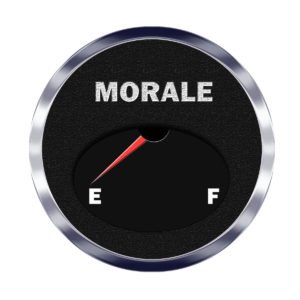
Nothing is allowed to mature. Ministries are started before others are finished. Leaders are pulled in too many directions. Over time, the congregation becomes tired, confused, and unsure what really matters.
Pastors can fall into this trap as well—moving from one exciting idea to another and mistaking constant activity for progress. But revitalization doesn’t require endless novelty. It requires consistency, clarity, and patience.
The Solution: Do Fewer Things—and Do Them Well
One of the most effective correctives to C.A.D.D. is intentional limitation.
Before launching anything new, leaders must ask one clarifying question:
Does this ministry clearly accomplish our vision—yes or no?
If the answer is no, it doesn’t belong on the calendar. This kind of prioritization isn’t negative or restrictive; it’s responsible leadership. Focus protects momentum and allows the church to invest deeply in what truly matters.
Healthy revitalization efforts tend to share several common commitments:
- Keep the main thing the main thing – deepening spiritual life and missional impact
- Clarify core purposes – evangelism, worship, discipleship, service, and fellowship
- Maintain an outward focus – resisting the pull toward inward-only activity
- Develop lay leaders – helping people stay committed, connected, challenged, and engaged
- Build strong small groups – creating relational spaces where faith can grow over time
When churches slow down and focus, ministries gain traction, relationships deepen, and discipleship begins to take root.
Shift Your Preaching—and Keep It Simple
Avoiding C.A.D.D. also requires clarity in communication. Revitalization preaching isn’t about complexity or information overload. It’s about application.
Consider the difference between these two responses after a sermon:
- “Nice message.”
- “That really helped me.”
The second response signals impact. People aren’t just hearing information; they’re being equipped to live faithfully in their everyday lives. Clear, practical preaching reinforces focus and keeps the church aligned around its mission.
And a good rule of thumb for revitalization leaders:
Keep it simple.
A Final Word for Revitalization Leaders
Not everyone will be happy during a revitalization process—and that’s normal. Leading change has always involved tension. Your calling isn’t to keep everyone comfortable; it’s to guide the church toward renewed health, clarity, and mission.
By diagnosing and addressing C.A.D.D. early, you create space for real renewal to take root.
Focus on fewer things.
Do them with excellence.
Stay faithful over time.
What ministries in your church need to be evaluated through the question, “Does this truly accomplish our vision?”
That single question may be the key to getting your revitalization back on track.