
R.E.N.E.W.: A Practical Framework for Church Revitalization

Church revitalization often begins in discouraging places—declining attendance, limited resources, and the quiet fear that the church’s best days may be behind it. Yet renewal is not only possible; it is deeply biblical. Revitalization does not come from panic-driven change or copying the latest model. It comes through intentional, Spirit-led leadership and faithful perseverance.

The R.E.N.E.W. framework offers a simple, practical roadmap to help church leaders move from stagnation toward sustainable health and renewed mission.


R — Recognize the Need for Change and Restart with Wisdom

Every revitalization journey begins with honesty. Churches remain stuck not because leaders lack faith, but because they struggle to admit that what once worked no longer does. Renewal requires the courage to acknowledge reality—and the humility to begin again.

Restarting does not mean reckless change. One of the most common revitalization mistakes is over-starting: launching too many initiatives too quickly without adequate preparation. Instead, wise leaders slow the process down, break large challenges into manageable steps, and focus on daily faithfulness.

It is never too late to start over. But wisdom grows when leaders reflect honestly on past failures and allow those lessons to shape a healthier future.


E — Engage the Community and Discern Where God Is Already at Work

Isolation is deadly to churches. Renewal begins when leaders intentionally turn outward and re-engage the surrounding community. Healthy churches become known for meeting real needs—through compassion ministries, relational outreach, excellence in worship, or clear gospel proclamation.

Rather than asking, “What should we start?” ask, “Where is God already moving?” Look for partnerships, community initiatives, and opportunities to serve the unchurched. God has never abandoned your neighborhood. Revitalization happens when the church joins what He is already doing there.


N — Nurture the Faithful Core While Reaching New People

The remaining members of a declining church are not the problem—they are the foundation. These faithful servants have stayed, prayed, given, and served through difficult seasons. Effective revitalization honors their faithfulness while inviting them into a renewed vision.

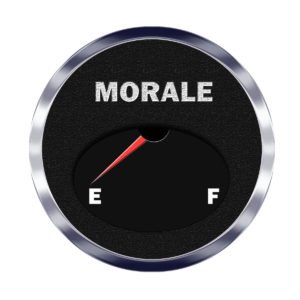
Spend time across generations. Listen to their stories. Celebrate small wins. Build morale intentionally. Culture shifts when people feel seen, valued, and hopeful again.

At the same time, revitalization must reach beyond the core. New people require new approaches. Relational warmth, contextualized ministry methods, and visible joy in leadership create space for newcomers. A hopeful church is a welcoming church.


E — Evade Common Pitfalls by Moving Slowly and Strategically

Church revitalization is not a sprint; it is a long obedience in the same direction. Many efforts stall because of avoidable missteps: launching too early, underfunding key initiatives, ignoring unresolved conflict, or neglecting outward mission.

Healthy leaders test ideas before scaling them. They train leaders personally. They resist the temptation to copy other churches and instead pursue God’s specific calling for their context. Accountability, patience, and perseverance matter more than speed.

Revitalization is not about returning to survival mode—it is about long-term transformation.


W — Wait on the Lord, Walk with Jesus, and Welcome God’s Work

At its core, revitalization is a spiritual work before it is a strategic one. Leaders must begin with Christ, continue with Christ, and finish with Christ. Prayer is not a supplement to revitalization—it is the engine.

As leaders walk faithfully with Jesus, God often brings unexpected encouragements and surprising breakthroughs. Past wounds become sources of wisdom. Former failures become testimony. Progress may feel slow, but movement matters more than perfection.

Trust the Lord’s timing. Keep walking. God is faithful to renew His church.


Church revitalizer, you are not alone.
The R.E.N.E.W. framework is not a formula—it is a faithful pathway. As you lead with courage, clarity, and dependence on Christ, God is able to breathe new life into your congregation.

Contact us if you would like to talk about RENEW in your context.

Reflection:
Which step in the R.E.N.E.W. framework most reflects your church’s current season?

Six Practical Steps to Move a Stuck Church Forward

The pace of change in today’s world is unlike anything the church has experienced before. Cultural shifts, generational transitions, and changing community expectations often leave congregations feeling disoriented—or stuck. Many churches sense that something is no longer working but struggle to know how to move forward.

Church revitalization rarely begins with a new program. It begins with honest awareness, spiritual leadership, trust within the body, and a renewed desire to connect with people beyond the church walls. When those elements are present, meaningful change becomes possible.

If your church feels stalled, the following six practices can help unfreeze unhealthy patterns and create space for renewal.

1. Recognize When You Are Trapped in Routine

One of the first steps toward revitalization is admitting that certain habits, strategies, or ministries are no longer producing fruit. Many churches repeat familiar patterns simply because “that’s how we’ve always done it,” even when those patterns are no longer effective.

Recognizing this does not mean dishonoring past efforts. In fact, it means honoring them honestly. Previous attempts were often faithful responses for a different season. The challenge is becoming willing to let go of what no longer works.

Progress in revitalization is often incremental. There may be moments where it feels like two steps back for every three steps forward—but forward movement is still movement. Breaking routine is uncomfortable, but it is often necessary for growth.

2. Become Open to Other Points of View

Revitalization leaders cannot—and should not—carry the entire burden alone. Healthy renewal environments invite multiple voices into the conversation, focusing on solutions rather than simply naming problems.

Lay leaders often bring valuable insight. Because they are not carrying the same leadership weight, they may see possibilities that pastors and staff miss. When leaders create space for collaboration, ideas sharpen, creativity increases, and ownership expands.

Listening well communicates trust. And trust is essential if a congregation is going to walk together through change.

3. Examine Your Thinking Patterns

Revitalization requires leaders to regularly evaluate how their thinking shapes their decisions. What worked in one church—or even in a previous season of the same church—may not work now.

Leaders must ask hard questions:

  • Are my assumptions still valid?

  • Am I reacting out of habit rather than discernment?

  • Is God inviting us into something new?

Scripture reminds us that God is always doing new work. Letting go of outdated thinking is often a spiritual act of obedience. Sometimes revitalization does not require a complete overhaul, but a thoughtful adjustment in strategy, perspective, or pace.

4. Assess Your Next Steps Honestly

Before taking action, leaders should examine their motivation. A helpful diagnostic question is:
Am I doing this out of preference, practice, pattern, or panic?

Preferences can limit growth when leaders insist on doing things simply because they like them. Practices can become ineffective when repeated long past their usefulness. Patterns can trap churches into rigid systems that resist change. Panic can push leaders into short-sighted decisions that prioritize comfort over mission.

Healthy revitalization requires intentional evaluation and wise counsel. Testing ideas with trusted leaders helps prevent costly missteps and strengthens the quality of decision-making.

5. Learn From Mistakes Without Losing Heart

Blunders are part of the revitalization journey. Leaders who take faithful risks will occasionally make mistakes. What matters is how those mistakes are handled.

Healthy leaders acknowledge their missteps, take responsibility, apologize when necessary, and learn from the experience. Transparency builds credibility. Congregations are often more forgiving—and more trusting—when leaders are humble and honest rather than defensive or distant.

Avoiding mistakes is not the goal. Faithful leadership, growth, and learning are.

6. Align Plans With Core Beliefs and Values

Revitalization efforts must align with a church’s core values. These values—often unwritten—shape how a church functions, makes decisions, and relates to people. They clarify expectations, guide relationships, and provide direction for strategic planning.

Core values are not doctrinal statements; they are convictions about how ministry is lived out. When revitalization plans conflict with deeply held values, resistance increases. When they align, momentum builds.

Leaders should regularly ask:

  • Do our values reflect the heart of Jesus?

  • Are our strategies consistent with Scripture?

  • Are we reinforcing who God has called us to be?

Clear values act as a compass during seasons of transition.

Moving Forward With Hope

Church revitalization is difficult—if it were easy, it would already be happening. That is why leaders need support, prayer, wise counsel, and patience with the process. Renewal unfolds over time as leaders remain faithful, adaptable, and dependent on God.

Healthy churches are not those that avoid change, but those that discern it wisely and walk through it together. When routines are examined, voices are welcomed, thinking is renewed, mistakes are owned, and values are clarified, revitalization moves from theory to reality.

Faithful steps, taken consistently, create space for God to do what only He can do—bring new life to His church.

What Church Revitalizers Can Learn from Elon Musk

Church revitalization rarely follows a predictable path. It requires courage, clarity, resilience, and a willingness to lead people through uncertainty toward a healthier future. While the contexts of business, technology, and congregational life are vastly different, church revitalizers can still learn valuable leadership lessons from unexpected places.

One such place is the leadership approach of Elon Musk. His work in innovation-driven organizations highlights principles that—when rightly filtered through Scripture, prayer, and pastoral wisdom—can meaningfully inform the work of leading a struggling congregation toward renewed life.

Start With a Bold, Clear Mission

Elon Musk is known for tackling problems that feel impossibly large: making electric cars mainstream, building reusable rockets, and accelerating the transition to sustainable energy. Each venture begins with a mission that is larger than any quarterly result or temporary setback.

For church revitalizers, that same clarity of purpose is crucial. A declining church cannot be renewed around vague goals like “do a bit better” or “get more people in the pews.” Instead, leaders can:

  • Define a big, compelling, gospel‑centered mission for the next 5–10 years.

  • Paint a picture of what a healthy, fruitful congregation could look like in their specific community.

  • Use that mission as a filter for decisions, ministries, and resource allocation.

When the mission is clear and bold, people are more willing to sacrifice, experiment, and stay the course in difficult seasons.

Embrace Calculated Risk and Experimentation

Musk’s companies are famous for rapid prototyping, public failures, and constant iteration. Rockets explode on launchpads, cars ship with bugs, and ambitious timelines slip—but each failure becomes data to improve the next version.

Church revitalization often stalls because leaders fear failure so much that they avoid meaningful risk. Instead, revitalizers can adopt a more experimental posture:

  • Run small “ministry experiments” with clear goals and short timelines instead of committing to large, inflexible programs.

  • Treat unsuccessful ideas as lessons, not disasters, asking, “What did we learn?” instead of, “Who is to blame?”

  • Create a culture where trying new approaches to outreach, discipleship, or worship is normal and celebrated.

Risk in a church context should be prayerful and wise, but it must still be real risk if change is going to happen.

Focus Relentlessly on First Principles

Musk is known for “first principles thinking”: breaking problems down to their basic truths and rebuilding solutions from the ground up rather than copying existing models. This is how he challenged assumptions about what rockets must cost or how cars must be built.

Church revitalizers often default to copying what another church is doing or importing a trend without understanding whether it fits their context. A first‑principles approach would mean asking:

  • What is the church biblically called to do in this place—worship, discipleship, mission, mercy—and how well are we actually doing those things?

  • Which ministries truly make disciples and serve the community, and which continue only because of habit or nostalgia?

  • If we were planting this church fresh today, knowing our neighborhood and resources, what would we start—and what would we not?

By returning to basics instead of chasing every new model, leaders can design ministries that are both faithful and relevant.

Build High‑Ownership Teams

Musk surrounds himself with highly capable people who are given large responsibilities and demanding goals. Expectations are intense, but ownership is high—engineers are trusted to solve hard problems rather than simply follow orders.

Many struggling churches have the opposite problem: a pastor carrying nearly everything while volunteers remain underutilized or disengaged. Revitalizers can take a different path by:

  • Identifying and empowering lay leaders with real responsibility and authority, not just tasks.

  • Inviting people into meaningful work that matches their gifts, rather than filling slots on a schedule.

  • Setting clear expectations and outcomes so that teams know what success looks like and can genuinely own it.

A revitalized church is rarely a one‑person show; it is usually a community of people who believe, “This is our mission, and we are responsible for it.”

Communicate Vision With Persistence

Elon Musk is a relentless communicator. He talks about his mission in interviews, investor calls, social media posts, and company meetings. The message evolves, but the core stays the same, and people come to know what he is about.

Church revitalizers can underestimate how often vision must be repeated before it truly lands. Helpful practices include:

  • Weaving the church’s mission and future picture into sermons, meetings, informal conversations, and written communication.

  • Sharing stories that illustrate the mission in action—changed lives, new partnerships, or small but real wins.

  • Patiently re‑explaining the “why” behind changes, even when it feels repetitive.

In anxious seasons, people forget quickly; repeated, patient communication helps them stay anchored to the bigger story God is writing in the church.

Develop Resilience in the Face of Criticism

Musk attracts intense criticism for his decisions, leadership style, and public persona. Yet he continues to pursue his goals, adjusting where needed but not quitting when public opinion turns against him.

Church revitalizers also face criticism—from inside the congregation, from the community, and sometimes even from their own inner doubts. Learning from this, leaders can:

  • Expect resistance as a normal part of change instead of seeing it as a sign they are on the wrong path.

  • Listen humbly for valid concerns while not allowing every negative comment to derail the mission.

  • Anchor identity and worth in Christ rather than in approval, metrics, or praise.

Resilience does not mean stubbornness; it means staying faithful to a Spirit‑led course even when the path is contested.

Keep Innovation Anchored in Conviction

There are also important cautions when drawing lessons from Elon Musk. His goals, methods, and values are not always aligned with Christian ethics or pastoral care. Church leaders are not called to become celebrity CEOs or to treat people as mere cogs in a vision.

What church revitalizers can do is borrow the best parts of his approach—bold vision, experimentation, first‑principles thinking, empowered teams, persistent communication, and resilience—while grounding everything in prayer, Scripture, and love for people. Innovation is valuable, but it must remain a servant of the gospel, not a replacement for it.

Get It Going, Keep It Going: The Flywheel Every Church Needs

“At first, it feels like nothing is happening. Then everything happens at once.”Jim Collins, Good to Great

The Flywheel Effect is not a metaphor—it’s a mechanism. Once the flywheel starts turning, you need to apply consistent effort to keep it moving. Over time, the cumulative impact of these consistent efforts starts to compound. As the flywheel continues to turn, it gains momentum and becomes increasingly efficient. At a certain point, the flywheel becomes self-sustaining and generates its own momentum. It requires less effort to maintain the same growth rate as it did during the initial push. As the flywheel spins faster and faster, the business can achieve accelerated growth and success. The energy generated from earlier efforts contributes to this increased momentum.

In church revitalization, it describes how small, consistent actions compound into unstoppable momentum.

Here’s how it works—step by step:

Step 1: Talk Openly About the Problem

“We’re plateaued. We’re declining. We’re dying.” Say it out loud—to pastors, deacons, and the entire congregation. No sugar-coating. No denial. Truth sets the stage.

Step 2: Create Safety for Honest Dialogue

Pastors won’t risk change if they fear being fired. Congregations won’t follow if they feel manipulated. Build trust through:

  • Transparent town halls
  • Anonymous feedback tools
  • Leadership covenants that protect truth-tellers

Step 3: Cast a Clear, Compelling Vision

Not “We want to grow.” But: “In 3 years, we will be a church that sends 50 new disciples into our community every year.” Make it clear and easy to understand. Repeat it every Sunday, every meeting, every email.

Step 4: Execute the First Strategic Win

Pick one high-impact, low-resistance action:

  • A community block party
  • A new small group launch
  • A streamlined guest follow-up system

Do it well. Do it together.

Step 5: Celebrate & Share the Win Publicly

This is rocket fuel.

  • Baptism testimonies in worship
  • Social media posts: “First new family in 5 years!
  • Thank-you notes to volunteers

Wins breed belief. Belief breeds action.

Step 6: Repeat with Increasing Speed

Now the flywheel spins faster:

  • Win #2: Launch outreach ministry
  • Win #3: Renovate children’s space
  • Win #4: First convert from new outreach Each turn requires less effort than the last.

Momentum starts with one push.

Has Your Church Plateaued? Recognizing the Signs Before It’s Too Late

Have you ever felt like your church is stuck? Attendance isn’t growing, excitement has faded, and ministry feels more like maintenance than mission. If that sounds familiar, your congregation might be plateaued—or heading there.

This condition, sometimes called the “Sardis Syndrome” (after the lifeless church in Revelation 3:1–6), describes a church that’s busy but not bearing spiritual fruit. The good news is that recognizing the signs early gives you the best chance to turn things around.

Let’s look at some of the key questions that reveal whether a church is plateaued. Answer these questions honestly.


1. What’s Happening in Our Neighbourhood – Is it Declining?

If your community is shrinking or stagnant, your church will likely feel it too. A changing or declining “draw area” means the church must adapt its mission and methods to new realities.


2. Is Membership Shrinking—or Just Stuck?

When a church’s attendance or membership has stayed the same or declined for three or more years, it’s a red flag. Growth isn’t the only measure of health, but a lack of new people often signals a lack of outreach and vision.


3. Are Leaders Hard to Find?

If your nominating committee struggles to fill key ministry roles, your church may be losing energy. A healthy church inspires participation; a plateaued one depends on the same few faithful people over and over.


4. Is Our Church Over 15 Years Old?

Churches older than 15 years often face unique challenges. Without intentional renewal, traditions harden, and innovation slows. Longevity can be a blessing—but it can also breed complacency.


5. Are We Stuck at a Membership Barrier?

Many churches plateau at certain size thresholds—75, 125, 200, 350, or 750. Each level demands a new leadership structure and strategy. Without adapting, growth stalls.


6. Are We Clear on Our Direction?

If your most active members disagree or feel uncertain about where the church is headed, momentum fades. Unity around mission and vision is essential to move forward.


7. Do We Help New Members Connect?

When new members aren’t properly oriented to the church’s mission, traditions, and values, they often drift away. Connection and belonging must be intentional.


8. Are Our Conversions/Baptisms From Inside The Church?

If most baptisms or professions of faith come from members’ children, your church is likely focusing inward rather than outward. A plateaued church stops reaching the unchurched.


9. Are We Losing More Than We Gain?

When a church loses more members each year (through transfers, death, or disengagement) than it gains, decline is inevitable unless change happens.


10. Are Traditions Driving Us?

When the past dictates the present more than vision guides the future, the church’s creative energy fades. Healthy churches honour their history but live for tomorrow.


11. Are We Celebrating Together?

A plateaued church often has fewer events  (three or less events per year) that bring everyone together. Celebrations and affirmation moments—such as outreach days, testimonies, or fellowship events—reignite unity and joy.


12. Is There an Entrenched Power Structure?

When a few people hold all the decision-making authority, new ideas rarely thrive. Shared leadership and openness to change are critical for revitalization.


13. Are We Doing More “In-reach” Than “Outreach”?

It’s easy for churches to focus on caring for members while neglecting their mission to the community. A plateaued church turns inward; a revitalized church looks outward.


14. Are We Struggling Financially?

Persistent financial strain often reflects deeper issues—declining engagement, lack of vision, or low trust in leadership. Addressing the spiritual and strategic causes is key to recovery.


So, Where Does Your Church Stand?

1–5 “Yes” answers: Your church is pre-plateaued. Stay alert and proactive.

6–10 “Yes” answers: You are plateauing or plateaued. The time to act is now.

11–14 “Yes” answers: Your church is deeply plateaued. Renewal must begin immediately.


The Hope Beyond the Plateau

A plateau isn’t the end—it’s a wake-up call. Every church can experience renewal when it seeks God’s direction, embraces change, and recommits to mission.

Remember: the same Spirit who breathed life into the early church still empowers yours today.

Church Revitalization That Actually Works: Practices That Lead to Lasting Renewal

Church revitalization is rarely accomplished through quick fixes, rebranding efforts, or the latest ministry trend. Sustainable renewal happens when a congregation becomes healthy at its core—spiritually grounded, missionally focused, and willing to change for the sake of the gospel. Revitalization works best when leaders intentionally cultivate the conditions that allow God’s people to grow, serve, and move forward together.

Healthy turnaround is not accidental. It is the result of practices consistently applied over time, rooted in humility, clarity, and dependence on God.

Where Conflict Is Managed and Ego Is Surrendered

Revitalization efforts almost always stall in environments marked by unresolved conflict and unchecked ego. Churches move forward when conflict is minimal or, when it does arise, is addressed quickly and biblically without destabilizing the congregation. Leaders who refuse to deal with tension honestly often allow it to quietly sabotage renewal.

Equally important is the posture of the pastor. When a leader’s need for control, recognition, or personal agenda dominates, revitalization slows. Healthy churches make Christ’s leadership visible above any one personality. Pastors who lead with humility create space for trust, shared ownership, and spiritual growth.

Clarity of identity also plays a vital role. Congregations that understand who they are, why they exist, and what God has called them to do waste less energy chasing every new idea. A shared mission anchors the church during seasons of change and gives direction to revitalization efforts.

Where Worship Is Alive and Community Is Intentional

Revitalization is not primarily structural—it is spiritual. Churches experience renewal when worship draws people into genuine encounters with a living God. When God’s presence is evident in gathered worship, hope increases, resistance softens, and hearts become more open to change.

Healthy revitalization also shifts the church away from spectatorship. Laity are encouraged and equipped to use their spiritual gifts in meaningful ways. Ministry is no longer something done by a few for the many, but a shared calling embraced by the whole body.

These churches intentionally build community rather than settling for anonymous attendance. People are known, connected, and valued. As a result, revitalizing congregations believe their best days are ahead—not behind—and that hopeful confidence fuels courageous faith.

Where Collaboration and Discipleship Take Priority

Strong revitalization honours the past without being trapped by it. Healthy churches respect their heritage, theological convictions, and denominational distinctives, viewing them as assets for mission rather than obstacles to progress. Renewal does not require abandoning identity; it requires applying it faithfully in a changing context.

Revitalized churches also understand that ministry is collaborative, not competitive. They value partnerships within their denomination and beyond, recognizing that the kingdom of God is larger than any single congregation.

Most importantly, discipleship replaces consumer Christianity. Success is no longer measured by attendance alone, but by spiritual maturity. These churches pursue depth over hype, formation over entertainment, and obedience over comfort. They aim to produce followers of Jesus, not religious consumers.

Where Members Are Growing and Leaders Embrace Change

In a revitalizing church, membership is defined by discipleship, not by a name on a roll. Members see themselves as active participants in God’s mission, committed to growth, service, and spiritual responsibility.

Leadership understands that revitalization always requires change—and is willing to lead through it with courage and humility. Pastors ground their leadership in daily spiritual disciplines, recognizing that renewal flows from prayer, Scripture, and dependence on God rather than technique alone.

Healthy churches remain open to new relationships and new people. They resist becoming closed systems and reject secrecy in favor of clear, honest communication. Transparency builds trust, and trust sustains change.

Where God’s Leadership Remains Central

Ultimately, effective church revitalization is about recognizing and responding to God’s active presence. Renewed churches understand that “God among us” is not a slogan, but a lived reality. They seek to discern where God is leading and align their decisions accordingly.

A strong relational fit between pastor and congregation strengthens this process, allowing leaders and people to move together rather than in opposition. Prayer is not treated as an accessory to revitalization but as its foundation—shaping decisions, guiding relationships, and sustaining hope.

When conflict is addressed, ego is surrendered, worship is alive, disciples are growing, and God’s leadership is central, revitalization moves from a hopeful concept to a lived experience of renewal. Church revitalization that works is not flashy—but it is faithful, transformative, and enduring.

Honest Leadership in Church Revitalization: Learning from Nehemiah

One of the greatest threats to church revitalization is not opposition, limited resources, or cultural change. It is dishonesty—especially the subtle kind that minimizes problems, avoids hard conversations, or confuses optimism with denial.

Scripture offers a far better model.

In Nehemiah 2:17, Nehemiah addresses the people of Jerusalem with remarkable clarity:
“You see the bad situation we are in: Jerusalem is desolate and its gates are burned down. Come, let’s rebuild the wall of Jerusalem so we won’t be a disgrace.”

Nehemiah does not soften reality to protect morale, nor does he dwell in despair. He names the truth, shares responsibility, and calls God’s people toward a redemptive future. For churches seeking renewal today, his leadership provides a biblical framework for honest revitalization.

Why Honesty Is Foundational to Revitalization

Revitalization always begins with reality. Churches do not drift into decline overnight, and they do not recover through vague encouragement or surface-level fixes. Renewal requires leaders who are willing to say, “This is where we truly are.”

Nehemiah begins with direct acknowledgment: “You see the bad situation we are in.” He refuses to pretend Jerusalem is healthy when the walls are broken and the gates are burned. Honest leadership starts by seeing clearly and speaking truthfully, even when the truth is uncomfortable.

In revitalization contexts, that honesty may involve acknowledging declining attendance, financial strain, volunteer fatigue, fractured relationships, or mission drift. Avoiding these realities does not protect the church—it quietly erodes trust and delays healing.

Naming Specific Problems, Not Vague Concerns

Nehemiah does not speak in generalities. He points to visible damage: a desolate city and destroyed gates. Specific problems invite specific action.

The same principle applies in church revitalization. Vague statements like “we need to do better” or “things feel off” rarely lead to meaningful change. Clear language does. When leaders name concrete issues—lack of discipleship pathways, inward-focused programming, leadership bottlenecks, or weak community engagement—the congregation can begin to pray, plan, and respond together.

Honest diagnosis is not negativity; it is stewardship.

Shared Ownership Builds Shared Commitment

Notice Nehemiah’s language: “the situation we are in.” He does not position himself as an outsider critiquing the people. He stands with them.

This posture is critical for revitalization leaders. Churches shut down when leaders speak in terms of “you” instead of “we.” Renewal gains momentum when responsibility is shared and the work belongs to the whole body.

Healthy revitalization cultures are built when leaders suffer with the congregation, listen deeply, and invite broad participation in discerning the path forward. Ownership fuels commitment, and commitment sustains long-term change.

Honesty Must Always Point Toward Hope

Biblical honesty is never an end in itself. Nehemiah does not stop with what is broken; he calls the people toward what God can rebuild.

“Come, let’s rebuild.”

Truth-telling without vision leads to discouragement. Vision without truth leads to disillusionment. Revitalization requires both. When leaders articulate a clear, Christ-centered future—renewed discipleship, restored witness, deeper prayer, and faithful mission—honesty becomes hopeful rather than heavy.

The goal is not merely survival, but faithfulness.

Creating a Culture of Honesty in a Revitalizing Church

If Nehemiah’s honesty is the model, how can church leaders cultivate that same culture today?

1. Model Vulnerability as Leaders

Leaders who never admit weakness unintentionally train their people to hide. When pastors and elders humbly acknowledge struggles, limitations, and areas of learning, they normalize repentance and dependence on God. Vulnerability signals maturity, not incompetence.

2. Name Reality Clearly and Consistently

This includes talking honestly about attendance, finances, ministry effectiveness, and leadership capacity. It also means celebrating genuine strengths where God is clearly at work. Balanced honesty prevents both denial and despair.

3. Create Safe Spaces for Confession and Feedback

Honest churches do not emerge accidentally. Small groups, listening sessions, prayer gatherings, and open forums communicate that truth is welcome. Leaders must listen without defensiveness and respond without minimizing concerns.

4. Address Systems, Not Just Symptoms

Revitalization stalls when churches only address individual behavior while ignoring structural issues. Honest leadership examines patterns, processes, and priorities—and invites the congregation into shared discernment rather than closed-door decision-making.

5. Communicate Transparently

Regular, clear communication about finances, staffing, ministry changes, and strategic decisions builds trust. Explaining the “why” behind decisions reduces speculation and reinforces that the church is a family on mission, not an organization protecting its image.

Questions That Open Honest Conversations

Honesty is shaped not only by sermons and reports, but by everyday conversations. Leaders can cultivate healthier dialogue by asking intentional questions, such as:

  • What is our church doing well right now that we should protect?

  • What is one challenge we can no longer ignore?

  • If you were new here, what would stand out to you?

  • What keeps you from inviting others?

  • What would need to change for us to grow spiritually?

These questions invite truth without assigning blame and help surface insights that leaders may otherwise miss.

Rebuilding What Has Been Burned Down

Nehemiah reminds us that God’s work of restoration always begins with truth. When leaders name reality, share ownership, and point toward God’s redemptive purpose, churches become places where grace and honesty meet.

In that environment, repentance is normal, growth is possible, and Christ is honored—not as a cosmetic fix, but as the One who rebuilds what is broken and restores what has been burned down.

Honest leadership does not weaken revitalization. It makes it possible.

Changing the Culture of Your Church from Maintenance to Mission

Most churches do not struggle because they lack vision. They struggle because their culture no longer supports the mission they say they believe in.

Culture is not a statement on the wall or a paragraph in a constitution. Culture is what actually happens—week after week—when decisions are made, people are welcomed, conflict arises, and change is proposed. Every church already has a culture. The question leaders must face is whether that culture is shaping the church toward faithfulness and mission—or quietly holding it back.

Changing the culture of a church is possible, but it requires clarity, patience, and courageous leadership.


Why Culture Matters More Than Strategy

When churches encounter decline or stagnation, the first response is often to add something new: a program, a ministry, a service time, or a fresh initiative. While strategy has its place, strategy alone cannot overcome a misaligned culture.

Culture determines what is normal, what is celebrated, and what is resisted. If the underlying culture values comfort over mission, control over trust, or preservation over faithfulness, even the best ideas will struggle to gain traction. Leaders end up exhausted, volunteers burn out, and frustration grows.

At Mission Shift, we often say:

Culture will either carry your mission forward—or quietly sabotage it.

Four Culture Shifts That Drive Real Change

Healthy church cultures do not emerge by accident. They are shaped intentionally through a series of leadership-driven shifts.

1. From “Us” to “Them”

Churches drift inward by default. Over time, energy, resources, and conversations begin to revolve around the needs and preferences of those already inside the church. When that happens, the mission to reach those outside slowly fades.

A healthier culture expects guests. It plans worship, communication, and ministry with people far from God in mind. This does not mean abandoning discipleship—it means remembering that the church exists not only to care for believers, but to participate in God’s redemptive work in the world.

2. From Membership to Ownership

Membership language often reinforces entitlement: What do I get? Why wasn’t my preference considered? Who is responsible for fixing this?

Ownership reframes the conversation. Owners ask different questions: How can I serve? What is my responsibility? How can I protect and advance the mission?

When ownership becomes normal, people stop waiting to be asked. They take initiative, give generously, and assume responsibility for the health of the church.

3. From Staff-Driven Ministry to Equipped Leaders

In many churches, ministry slowly becomes centralized around paid staff. Leaders are expected to perform while others observe. This model exhausts pastors and limits the church’s capacity.

Scripture presents a different vision. Leaders are called to equip God’s people for ministry. When all believers are trained, trusted, and empowered, the church’s reach expands far beyond what any staff could accomplish alone.

Culture shifts when leaders stop doing everything and start developing others.

4. From Programs to Clear Next Steps

Activity does not equal effectiveness. A church can be busy without being healthy.

Healthy cultures provide clarity. People know what their next step is and how to take it—whether that step involves worship, community, service, or mission. Programs exist to move people forward, not simply to fill the calendar.

When leaders evaluate everything through the lens of movement, unnecessary complexity begins to fall away.


How Culture Actually Changes

Church culture does not change because of one sermon or one leadership meeting. It changes through consistent leadership practices over time.

Preach the Culture You Need

Every message shapes expectations. Leaders who want to change culture preach consistently about mission, ownership, service, generosity, and discipleship—not as abstract ideals, but as lived commitments rooted in Scripture.

Explain Reality and Vision Clearly

Leaders must be willing to name reality honestly. That includes acknowledging where the church truly is today and where its current trajectory leads if nothing changes.

At the same time, leaders must paint a clear picture of a preferred future—what the church could look like if it aligned fully with its mission. When leaders repeat the same language and vision over time, a shared understanding begins to form.

Train People for New Expectations

New expectations without new skills create frustration. If leaders want people to serve, lead, and reach others in new ways, they must provide practical training.

Training communicates trust. It tells people they are needed and capable. Over time, confidence grows and culture begins to shift.

Keep the Mission Constantly in Front

Every church has an unspoken goal. In many declining churches, that goal is survival.

Healthy leaders continually elevate a bigger, biblical goal—making disciples, reaching the lost, and serving the community. Stories, testimonies, and celebrations help people see how their faithfulness connects to something larger than themselves.


Embracing Change as a Faithful Response

Following Jesus is a journey of transformation. While God does not change, His people are continually called to grow. That means change is not a failure—it is a sign of faithfulness.

When churches begin shifting from inward focus to outward mission, from entitlement to ownership, from performance to participation, something powerful happens. Momentum builds. Hope returns. And the culture begins to move.

At Mission Shift Church Consulting, we believe culture change is not about chasing trends. It is about realigning the church with its God-given purpose—so that mission once again drives everything.


Ready to Take the Next Step?

If your church senses that something needs to change but is unsure where to begin, you are not alone.

Mission Shift Church Consulting helps leaders:

  • diagnose church culture honestly

  • guide change without unnecessary conflict

  • and build healthier, mission-focused churches

Let’s start the conversation.

The Most Critical Elements for a Church to Turn Around

Every church faces seasons of struggle — times when attendance declines, morale dips, and the mission seems unclear. Yet no situation is beyond God’s power to renew. Church revitalization is possible, but it requires faith, courage, and intentional leadership.

Below are some of the most critical elements for any congregation seeking a true turnaround.


1. A Pastor’s Love for the People

At the heart of every successful turnaround is a pastor who deeply loves his congregation. The pastor must be fully committed to walking with the people through both success and struggle — not as a “rescue expert,” but as one of them. Churches need to see genuine dedication, not a “pastor-of-the-week” pattern.


2. Selecting a New Pastor

Often, a declining church needs new leadership to reset the direction. The previous pastor may be too connected to past wounds to lead renewal. A new pastor can bring fresh vision, renewed energy, and the courage to make difficult changes.


3. Releasing the Past

Honouring the past is important, but living in it prevents growth. Congregations must embrace a new or renewed vision — one focused on the future. This mindset shift often comes more easily with new leadership that can help members move forward while still respecting their heritage.


4. Defining Outreach

Many churches in decline become inward-focused. To reverse that, they must clearly define what outreach looks like in their context. Whom are they trying to reach? What needs in the community are they called to meet?


5. Equipping the Congregation

Outreach cannot rest solely on the pastor or staff. The entire congregation must be equipped and empowered to serve. Without active, trained lay participation, even the best revitalization plan will falter.


6. Selecting a Strong Leader

A turnaround requires more than a caretaker or manager — it calls for a visionary leader. The revitalization pastor must be able to cast a compelling vision that unites the congregation in purpose and passion.


7. Hard Work

Revitalization is not easy. It demands effort, perseverance, and faith. While the Holy Spirit empowers transformation, every member must commit to doing the hard work of rebuilding.


8. A Strong Prayer Covering

No true renewal happens without prayer. A church must become a praying church — seeking God’s guidance, power, and presence daily. Prayer ignites the vision and sustains the work.


9. Preaching Quality Sermons, Not Just Bible Studies

During seasons of decline, preaching can lose its fire. Turnaround preaching must be biblically sound but also relevant and Spirit-filled. It should inspire action, hope, and transformation — not just information.


10. Seek an Outside Perspective

Every church can benefit from outside eyes — consultants, denominational leaders, or other pastors who can provide honest evaluation and encouragement. Fresh perspectives help identify blind spots and new possibilities.


11. Build a Committed Core Group

Finally, revitalization requires a faithful core of lay leaders willing to stay the course no matter what. When pastors and laypeople share a unified, long-term commitment, lasting change becomes possible.


Conclusion

Turning a church around is not a quick fix — it’s a journey of spiritual renewal, leadership, and hard work. Each of these elements plays a vital role in creating an environment where God’s Spirit can move freely and powerfully. When both pastor and people commit fully to the process, the story of decline can become a testimony of resurrection.

Leading a Congregation Through Change: Why Preaching Matters More Than You Think

Few realities unsettle a congregation like change. Even healthy change can feel threatening in a church that has experienced decline, conflict, or prolonged uncertainty. And yet, revitalization without change is impossible.

In these moments, preaching becomes more than weekly proclamation. It becomes one of the primary ways a congregation learns how to interpret what is happening—spiritually, emotionally, and theologically.

When handled well, preaching helps people move from fear to trust, from nostalgia to mission, and from resistance to shared ownership. When handled poorly, it can deepen division, inflame anxiety, or erode trust.

The difference is not charisma or cleverness. It is pastoral wisdom rooted in theological clarity.

Change Is Not a Leadership Preference—It Is a Biblical Reality

Throughout Scripture, God’s people are repeatedly called forward into unfamiliar territory.

Abraham is asked to leave what is known. Israel must pass through the wilderness before reaching promise. The early church must continually adapt its structures in order to remain faithful to its mission.

In other words, change is not a modern leadership invention. It is often the very means by which God renews His people.

For churches in need of revitalization, change is rarely optional. Structures, habits, and assumptions that once served the mission may now hinder it. Preaching must help congregations understand that movement does not mean abandonment of faithfulness—it often means obedience.

Why Change Feels So Threatening in Declining Churches

Resistance to change is rarely about preferences alone. More often, it is rooted in loss.

People grieve:

  • The church they remember at its peak
  • Traditions that carried emotional meaning
  • Roles that once gave them identity or influence
  • A sense of stability and certainty

When pastors treat resistance as rebellion, they misdiagnose the problem. Much resistance is actually unacknowledged grief.

Effective preaching during seasons of change does not rush people past loss. It names it, honors it, and then gently calls people forward.

Preaching as Sense-Making During Disruption

When churches experience change, people ask questions—often silently:

  • What is happening to our church?
  • Why are we doing this now?
  • Is God still with us?

Preaching provides a theological framework for answering those questions. It helps congregations interpret events not merely through emotion, rumor, or nostalgia, but through the lens of Scripture.

Rather than reacting to every concern, wise pastors consistently anchor change in God’s redemptive purposes. Over time, this builds trust. Congregations may not agree with every decision, but they learn that their leaders are guided by conviction rather than impulse.

The Danger of Weaponizing the Pulpit

One of the greatest temptations during seasons of resistance is to use preaching defensively.

This may look like:

  • Indirectly targeting critics through sermons
  • Framing disagreement as spiritual failure
  • Shaming people into compliance
  • Overspiritualizing leadership decisions

The pulpit was never meant to be a weapon. It is a shepherd’s staff.

Preaching that leads people through change is firm but gentle, clear but humble. It forms hearts rather than forcing outcomes. The goal is not silence or compliance—it is faithfulness.

Biblical Themes That Help Congregations Navigate Change

Certain themes are especially powerful when a church is navigating uncertainty:

  • Trust in God’s leading, even when the path is unclear
  • Repentance and renewal, especially where complacency has set in
  • Mission over comfort, reminding the church why it exists
  • Hope beyond decline, rooted in God’s ability to bring life where things appear dry

Texts such as Ezekiel 37, Isaiah 43, Nehemiah 9, and Revelation 2–3 give language to both loss and hope. They allow preachers to tell the truth without surrendering to despair.

Addressing Fear from the Pulpit—Without Fueling It

Fear thrives in silence and ambiguity. One of the most pastoral acts a preacher can do is to name fear honestly without allowing it to dominate the narrative.

Instead of threatening language—“If we don’t change, we’ll die”—faithful preaching invites trust: God is not finished with His people.

Fear is not conquered by pressure. It is displaced by confidence in the character and faithfulness of God.

Preaching Through Conflict with Spiritual Maturity

Conflict is not a failure of leadership. It is often a sign that important values are at stake.

Preaching during conflict should:

  • Recenter the church on Christ, not personalities
  • Call for humility, patience, and love
  • Clarify biblical priorities without escalating tension

Passages like Ephesians 4, Romans 12, and Philippians 1 remind congregations that unity is not uniformity—but it is always rooted in love and shared purpose.

Moving a Church Toward Shared Ownership

One of the most important shifts revitalization preaching can foster is the move from ownership to stewardship.

Declining churches often think in terms of “my church,” “our way,” or “what we’ve always done.” Renewing churches begin to ask, What is God calling us to steward for the sake of others?

Language matters. Preaching that consistently speaks of “we,” “together,” and “God’s mission” reshapes identity over time.

The Preacher’s Heart Matters More Than the Plan

Finally, preaching through change exposes the preacher’s own heart.

Pastors must guard against:

  • Control driven by fear
  • Resentment toward resistance
  • Isolation that erodes wisdom

Preaching that leads others well flows from a leader who remains rooted in prayer, open to correction, and dependent on the Spirit.

Revitalization is not sustained by technique alone. It is sustained by leaders who trust God deeply enough to lead courageously.

A Final Word of Encouragement

Leading a congregation through change is one of the most demanding aspects of pastoral ministry. It requires patience, courage, and spiritual resilience.

But preaching remains one of God’s primary instruments for renewal.

When preaching is biblically grounded, theologically clear, and pastorally wise, God uses it to lead His people through fear, loss, and conflict into renewed faithfulness and mission.

Change may be inevitable—but renewal is possible when God’s Word is proclaimed faithfully.